

Presented by:
Barrister Bashari Ahmed Maizare, Dip, BSc (PHE), MSc, Ph.D. (Sports Mgt.)
ABU, Zaria, LLB Law (NOUN), Dip (Mass Com), PGDPPA (BUK), Adv.
Sports Mgt. (IOC), MNIM, MICAD, FNIS
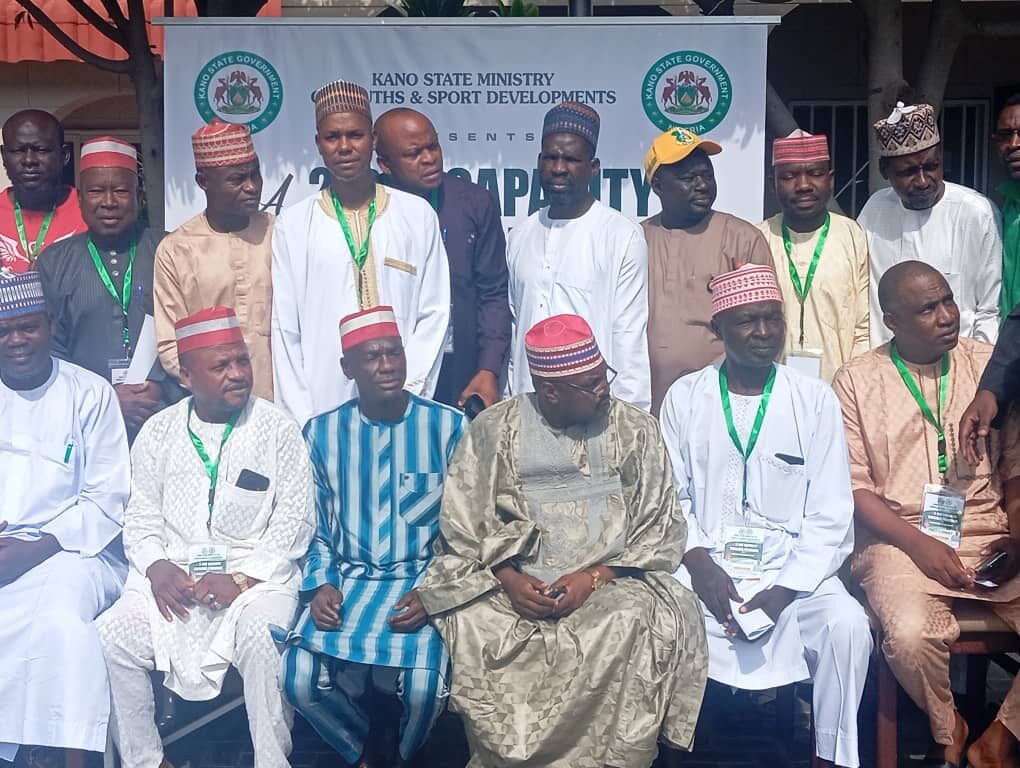
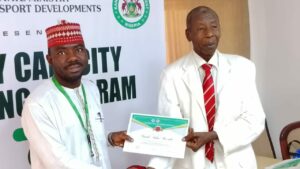
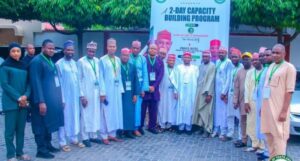
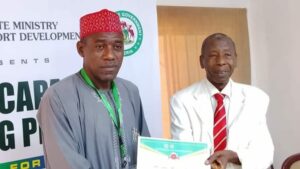
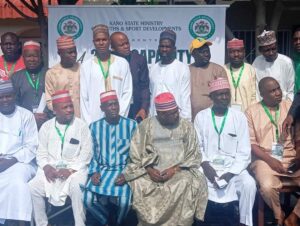
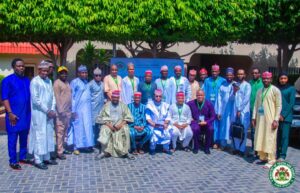
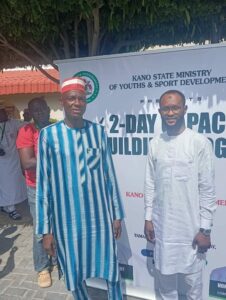
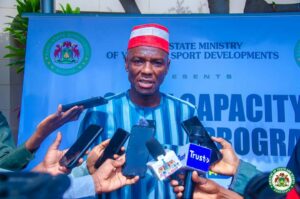
At the capacity building workshop for the Kano Pillars football club Board and management team.
Organised by:
Kano State Government at Prince Hotel Kano.
On: Friday 25th July, 2025.
Introduction:
This paper presents a structured definition and analysis of the roles and functions of a professional football club’s Board and Management team in Nigeria. It is tailored to align with national best practices, the Nigeria Football Federation (NFF), League Management Company (LMC/NPFL), and internationally accepted standards. The aim is to provide a framework for effective governance, compliance, and performance within Kano Pillars Football Club, as it prepares for the 2025/2026 season under the Kano State Government’s strategic initiative.
Roles and Functions:
1. Overall Purpose of the Board
The Board of a professional football club is the highest policy-making, oversight, and governance body responsible for:
1.Ensuring strategic direction,
2.Financial integrity,
3.Regulatory compliance,
4.Operational effectiveness, and
5.Sustainable growth of the football club.
Key Roles and Functions by Position
Club Chairman
1. Presides over all Board meetings.
2. Provides leadership and strategic direction.
3. Represents the club at major public functions and stakeholder meetings (NFF, NPFL, sponsors).
4. Oversees accountability of all board activities.
5. Ensures alignment with state, national, and international football regulations.
KEY MANAGEMENT POSITIONS
Must be required Under NPFL Club Licensing System with their roles:
General Manager / Chief Executive Officer (CEO):
1. Head of club operations and strategy.
2. Oversees daily management, finance, administration, and football matters.
3. Liaison between the Board, technical staff, sponsors, and regulators.
Club Secretary:
1. Handles all official correspondences, club Secretariat, logistics, travelling and transport.
2. Prepares and records minutes of meetings.
3. Coordinates with league officials on registrations, licensing, and compliance.
Finance Officer / Accountant:
1. Manages club’s financial records and budget.
2. Prepares audited accounts and financial statements (mandatory).
3. Responsible for compliance with tax, audit, stores and fiscal obligations.
Technical Director/Chairman Technical Committee:
1. Oversees technical philosophy, structure, and long-term football development.
2. Coordinates scouting, youth, and academy development.
Team Manager:
1. Coordinates logistics, match arrangements, and training camps.
2. Acts as the administrative head of the technical crew.
Head Coach / Chief Coach/ TA:
1. Leads technical team and squad management.
2. Oversees team training, tactics, match strategies, and performance.
Assistant Coach(es):
1. Supports the head coach in technical duties.
2. Specializes in fitness, goalkeeping, defense, etc.
Goalkeeper Trainer:
1. Trains and develops goalkeepers.
Club Doctor / Team Physician:
1. Provides medical services, assessments, and clearances.
2. Required to have medical certification and register with NFF.
Physiotherapist / Sports Therapist:
1. Manages injury recovery, rehab, and therapy.
2. Works closely with medical and coaching teams.
Media & Communications Officer:
1. Handles press relations, social media, public image, and media accreditation.
2. Must provide matchday reports and engage with fans.
Marketing & Sponsorship Manager:
1. Develops commercial partnerships.
2. Drives merchandise, branding, and income generation.
Club Licensing Officer:
1. Ensures compliance with NFF/LMC licensing regulations.
2. Submits annual documentation for club licensing requirements.
Security/Matchday Operations Officer:
1. Handles matchday safety, crowd control, and logistics.
2. Coordinates with FA, security agencies, stadium management, and LMC for fixtures.
Youth Team Manager / Academy Head:
1. Coordinates U-13, U-15, U-17, and U-19 teams.
2. Mandatory under the youth development license criteria.
Supporters Liaison Officer/ Chairman, Fans Club:
1. Interfaces between supporters and club management.
2. Encourages peaceful fan engagement and ticketing management.
Kit Manager / Equipment Officer:
1. Maintains training and matchday kits, equipment, and logistics.
Administrative Assistants/Office Clerks:
Provide general secretarial, clerical, and logistic support across departments.
Optional but Recommended Staff Positions:
1. Performance Analyst,
2. Nutritionist,
3. Legal Officer / Compliance Manager
4. Psychologist / Mental Coach,
5. Digital Content Manager
6. Human Resource Officer.
Problems of Poor Governance in Nigerian Professional Football Clubs
1. Lack of Strategic Direction,
2. Financial Mismanagement,
3. Weak Organizational Structure,
4. Political Interference,
5. Regulatory Non-Compliance,
6. Lack of Youth Development Programmes,
7. Poor Fan Engagement and Branding,
8. Inconsistent Performance and Management Crisis,
9. Poor Welfare for Players and Staff,
10. Inadequate Infrastructure.
Recommendations for Good Governance in Football Clubs
1. Establish a Clear Strategic Plan,
2. Implement Financial Discipline and Transparency,
3. Strengthen Organizational Structure,
4. Minimize Political Interference,
5. Ensure Full Compliance with Football Regulations,
6. Invest in Youth and Academy Development,
7. Enhance Fan Engagement and Branding,
8. Introduce Performance-Based Management,
9. Improve Welfare of Players and Staff,
10. Upgrade Club Infrastructure.
Picture Gallery Below



Conclusion
To operate as a licensed Nigerian Professional Football Club in the NPFL, clubs must have a structured, multi-functional team with defined roles and responsibilities in line with LMC/NFF and CAF club licensing criteria.